
3 Common Grounds for Suppressing Evidence in a Criminal Case
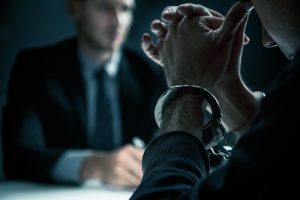 Suppression of evidence is a fancy way of saying the evidence cannot be used in court. In order to suppress evidence, the criminal defense lawyer must file a formal motion to exclude the evidence. The motion can be filed in federal or state court depending on where the case is being tried. The motion normally identifies the evidence that should be suppressed and the reasons it should be suppressed. The motion to suppress is heard by the judge who decides the case. A hearing is normally held, unless the case can be decided on legal issues alone, to determine whether the evidence is relevant to your case and whether it was properly obtained.
There are three common grounds to suppress evidence in a criminal case.
Failure to comply with your Fourth Amendment Rights
The Fourth Amendment to the U.S. Constitution requires that a person, the person’s home, and their papers and affects, cannot be searched without a warrant. Warrants should only be granted if the police have probable cause to believe a crime has been committed. The Supreme Court’s Exclusionary Rule requires that evidence that was seized in violation of the Fourth Amendment be excluded from any trial.
The Supreme Court has crafted several exceptions to when searches and seizures can take place without a warrant. For example, many car stops are valid. Criminal defense lawyers will argue the exceptions don’t apply. In most cases, it is not difficult to obtain a warrant, and police should follow this simple procedure. Warrants themselves can be attacked in a suppression hearing if they weren’t supported by an oath or affirmation.
Failure to comply with your Fifth Amendment Rights
The U.S. Constitution’s Fifth Amendment requires that the accused are not obligated to self-incriminate themselves. If a defendant gives an unauthorized confession or makes an involuntary statement against his/her interest, the admissibility of the confession or statement should be challenged in the suppression hearing. A Motion to Suppress is standard procedure when a police officer fails to read the Miranda warnings to any suspect.
Failure to follow the chain of custody requirements
Once the police seize evidence (such as fingerprints, drugs, or the results of a breath test), they are required to account for the location and security of that evidence from the time of seizure to the time of the suppression hearing. Evidence should be properly tagged and secured. Otherwise, it is not reliable.
When police and the government fail to honor your rights and to collect and preserve evidence properly, it is only fair and just the evidence be excluded from your trial. If you are facing criminal charges, Carey Law Office is ready to help. Please call 301-464-2500 or complete our contact form to schedule a consultation with a criminal defense lawyer today. We maintain offices in Bowie and Crofton.
Meta description. Carey Law Office PLLC fights to suppress evidence that was illegally obtained, or tainted in some way. Contact a criminal defense lawyer in Bowie or Crofton to learn more.

My name is Joe Carey, and I am the founder and principal attorney of the Carey Law Office. I have lived in Maryland my entire life. I grew up in a small town in Prince George’s County and, with the help of my partner in life, Nancy, I raised my family here: three exceptional children (a son and two daughters), and two goofy, spoiled black Labrador Retrievers. Learn More